Buy enerfish.eu ?
We are moving the project
enerfish.eu .
Are you interested in purchasing the domain
enerfish.eu ?
domain@kv-gmbh.de · 0541-91531010
Buy enerfish.eu ?
'Aerobic or anaerobic?'
Aerobic exercise refers to activities that require oxygen to meet the body's energy demands, such as running, swimming, or cycling. These activities help improve cardiovascular health, endurance, and overall fitness. Anaerobic exercise, on the other hand, involves short bursts of intense activity that do not rely on oxygen for energy production, such as weightlifting or sprinting. Both types of exercise are important for overall health and fitness, with aerobic exercise focusing on endurance and cardiovascular health, while anaerobic exercise helps build strength and power. **
Why does aerobic energy production require more energy than anaerobic energy production?
Aerobic energy production requires more energy than anaerobic energy production because it involves the use of oxygen to break down glucose completely, resulting in a higher yield of ATP (energy) per molecule of glucose. In contrast, anaerobic energy production does not require oxygen and only partially breaks down glucose, leading to a lower yield of ATP. The additional steps and processes involved in aerobic energy production make it more efficient but also require more energy input. **

Similar search terms for Anaerobic
Top-Angebote
Products related to Anaerobic:
-
Porch & Den Inez Energy-efficient Sidelight Curtain Panel, Single PanelKeep your entryway private with this stylish sidelight curtain panel. Constructed from polyester, this panel is energy-efficient and machine-washable for convenient cleaning. Choose from six neutral color options to pair with your decor.27,48 $*Shipping: 0,00 $Secure redirect to the provider
-
All Categories Goods LED Solar Motion Sensor Outdoor Security Wall Lights Waterproof & Energy Efficient LED Solar Motion Sensor Outdoor Security Wall Lights Waterproof & Energy EfficientIlluminate your home with the power of the sun with the 1 pc of 168 LED Solar Motion Sensor Outdoor Security Wall Lights. Designed for homeowners seeking reliable, ecofriendly lighting solutions, these outdoor lights offer superior security and...44,97 $*Shipping: 0,00 $Secure redirect to the provider
-
Yeego 60-Can Direct-Cool Beverage Cooler, Energy-Efficient Mini FridgeThe Yeego Beverage Refrigerator brings a refined balance of form and function, offering a sleek, compact design that fits effortlessly into kitchens, home bars, or entertainment spaces.198,72 $*Shipping: 0,00 $Secure redirect to the provider
-
All Categories Goods LED Flat Panel Light Recessed Ceiling Light, Energy Efficient, Bright Lighting Solution LED Flat Panel Light Recessed Ceiling Light, Energy Efficient, Bright Lighting SolutionUpgrade your home or office with these 2 pcs of sleek and energyefficient 48W LED flat panel light. Designed for recessed ceiling installations, this lighting solution offers an ultrabright 7000K daylight output with an impressive 5800LM brightness....229,97 $*Shipping: 0,00 $Secure redirect to the provider


-
What is the difference between anaerobic and aerobic energy production?
Anaerobic energy production occurs in the absence of oxygen and involves the breakdown of glucose to produce energy quickly, but less efficiently, resulting in the accumulation of lactic acid. Aerobic energy production, on the other hand, requires oxygen and involves the breakdown of glucose and fatty acids to produce energy more efficiently, without the accumulation of lactic acid. Aerobic energy production is sustainable for longer periods of time and is the primary energy source for activities that are low to moderate in intensity and longer in duration. **
-
Why is more energy needed for aerobic energy production than for anaerobic energy production?
More energy is needed for aerobic energy production than for anaerobic energy production because aerobic metabolism requires oxygen to break down glucose completely, resulting in the production of more ATP molecules. In contrast, anaerobic metabolism does not require oxygen and only partially breaks down glucose, leading to the production of fewer ATP molecules. Therefore, aerobic energy production is more efficient but requires more energy input in the form of oxygen. **
-
Is photosynthesis an aerobic or anaerobic process?
Photosynthesis is an aerobic process, meaning it requires the presence of oxygen to occur. During photosynthesis, plants use sunlight to convert carbon dioxide and water into glucose and oxygen. This process takes place in the chloroplasts of plant cells and is essential for the production of energy-rich molecules that sustain life on Earth. Without oxygen, photosynthesis cannot occur, making it a fundamentally aerobic process. **
-
Can someone tell me the advantages and disadvantages of anaerobic and aerobic energy production?
The advantages of anaerobic energy production include its ability to provide quick bursts of energy for high-intensity activities, such as sprinting or weightlifting. It also does not require oxygen, making it accessible for short-term energy needs. However, the disadvantages include the production of lactic acid, which can lead to muscle fatigue and soreness. On the other hand, aerobic energy production provides a more sustained and efficient energy source for longer duration activities, such as distance running or cycling. It also helps improve cardiovascular and respiratory function. However, it requires a constant supply of oxygen, making it less accessible for immediate energy needs and can take longer to produce energy compared to anaerobic processes. **


Is the anaerobic heart rate too high when running?
The anaerobic heart rate can become too high when running if the intensity of the exercise exceeds the body's ability to supply enough oxygen to the muscles. This can lead to a buildup of lactic acid in the muscles, causing fatigue and discomfort. It's important to monitor your heart rate and adjust your running pace to ensure that you stay within a safe and sustainable anaerobic zone. Training at too high of an anaerobic heart rate for extended periods can lead to overtraining and potential injury. **
How do I increase the anaerobic threshold while jogging?
To increase your anaerobic threshold while jogging, you can incorporate interval training into your routine. This involves alternating between periods of high-intensity running and lower-intensity recovery periods. This type of training helps improve your body's ability to tolerate and buffer lactic acid, which can increase your anaerobic threshold. Additionally, incorporating strength training exercises, such as hill sprints or resistance training, can also help improve your anaerobic threshold while jogging. Finally, make sure to gradually increase the intensity and duration of your workouts to avoid overtraining and injury. **
Top-Angebote
Products related to Anaerobic:
-
Rueber Innovative Hair Energy Nourishing Booster Treatment 12x10mLA hair-care product for hair loss or thinning. It a nourishing treatment designed to tone the scalp and prevent hair loss. Its liposomal capacity allows nutrients to achieve high effectiveness, addressing general malnutrition and alopecia concerns. Prevents hair loss and promotes scalp health. Lightweight, non-greasy formula.27,37 £*Shipping: 5,34 £Secure redirect to the provider
-
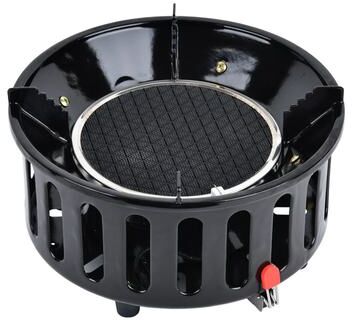
Youfap Market Energy Efficient Camping Butane Stove, Portable Propane Burner For Outdoor Adventures Energy Efficient Camping Butane Stove, Portable Propane Burner For Outdoor AdventuresReady for your next outdoor adventure The Camping Butane Stove is the perfect solution for quick, efficient cooking on the go. Whether you're embarking on a weekend camping trip or enjoying a family picnic, this energysaving stove ensures you can...124,97 $*Shipping: 0,00 $Secure redirect to the provider
-
Porch & Den Inez Energy-efficient Sidelight Curtain Panel, Single PanelKeep your entryway private with this stylish sidelight curtain panel. Constructed from polyester, this panel is energy-efficient and machine-washable for convenient cleaning. Choose from six neutral color options to pair with your decor.27,48 $*Shipping: 0,00 $Secure redirect to the provider
-
All Categories Goods LED Solar Motion Sensor Outdoor Security Wall Lights Waterproof & Energy Efficient LED Solar Motion Sensor Outdoor Security Wall Lights Waterproof & Energy EfficientIlluminate your home with the power of the sun with the 1 pc of 168 LED Solar Motion Sensor Outdoor Security Wall Lights. Designed for homeowners seeking reliable, ecofriendly lighting solutions, these outdoor lights offer superior security and...44,97 $*Shipping: 0,00 $Secure redirect to the provider
-
'Aerobic or anaerobic?'
Aerobic exercise refers to activities that require oxygen to meet the body's energy demands, such as running, swimming, or cycling. These activities help improve cardiovascular health, endurance, and overall fitness. Anaerobic exercise, on the other hand, involves short bursts of intense activity that do not rely on oxygen for energy production, such as weightlifting or sprinting. Both types of exercise are important for overall health and fitness, with aerobic exercise focusing on endurance and cardiovascular health, while anaerobic exercise helps build strength and power. **
-
Why does aerobic energy production require more energy than anaerobic energy production?
Aerobic energy production requires more energy than anaerobic energy production because it involves the use of oxygen to break down glucose completely, resulting in a higher yield of ATP (energy) per molecule of glucose. In contrast, anaerobic energy production does not require oxygen and only partially breaks down glucose, leading to a lower yield of ATP. The additional steps and processes involved in aerobic energy production make it more efficient but also require more energy input. **
-
What is the difference between anaerobic and aerobic energy production?
Anaerobic energy production occurs in the absence of oxygen and involves the breakdown of glucose to produce energy quickly, but less efficiently, resulting in the accumulation of lactic acid. Aerobic energy production, on the other hand, requires oxygen and involves the breakdown of glucose and fatty acids to produce energy more efficiently, without the accumulation of lactic acid. Aerobic energy production is sustainable for longer periods of time and is the primary energy source for activities that are low to moderate in intensity and longer in duration. **
-
Why is more energy needed for aerobic energy production than for anaerobic energy production?
More energy is needed for aerobic energy production than for anaerobic energy production because aerobic metabolism requires oxygen to break down glucose completely, resulting in the production of more ATP molecules. In contrast, anaerobic metabolism does not require oxygen and only partially breaks down glucose, leading to the production of fewer ATP molecules. Therefore, aerobic energy production is more efficient but requires more energy input in the form of oxygen. **
Similar search terms for Anaerobic
-
Yeego 60-Can Direct-Cool Beverage Cooler, Energy-Efficient Mini FridgeThe Yeego Beverage Refrigerator brings a refined balance of form and function, offering a sleek, compact design that fits effortlessly into kitchens, home bars, or entertainment spaces.198,72 $*Shipping: 0,00 $Secure redirect to the provider
-
All Categories Goods LED Flat Panel Light Recessed Ceiling Light, Energy Efficient, Bright Lighting Solution LED Flat Panel Light Recessed Ceiling Light, Energy Efficient, Bright Lighting SolutionUpgrade your home or office with these 2 pcs of sleek and energyefficient 48W LED flat panel light. Designed for recessed ceiling installations, this lighting solution offers an ultrabright 7000K daylight output with an impressive 5800LM brightness....229,97 $*Shipping: 0,00 $Secure redirect to the provider
-
Philips 27B2G5601 27" IPS QHD USB-C RJ45 Energy Efficient Docking MonitorPhilips 27B2G5601 27" IPS QHD USB-C RJ45 Energy Efficient Docking Monitor The Philips 27B2G5601 IPS QHD Monitor is your perfect choice for a high-quality, energy-efficient display optimised for professional use and premium entertainment. Offering Quad HD resolution on its impressive 27-inch IPS screen, you're guaranteed vivid, colour-accurate visuals whatever the application. With built-in USB 3.2 and USB-C ports, connectivity is never an issue, ensuring a seamless workflow and clutter-free work331,49 £*Shipping: 0,00 £Secure redirect to the provider
-
Kesnos Energy Star Most Efficient Dehumidifier, 52 Pints for 4,500 Sq. Ft.Kesnos Energy Star Most Efficient 2024 Dehumidifier removes up to 52 pints of moisture per day, covering up to 4,500 sq. ft. With adjustable humidity control (30-80% RH), multiple modes, and energy-saving features. Powerful 4,500 Sq. Ft.210,99 $*Shipping: 0,00 $Secure redirect to the provider
-
Is photosynthesis an aerobic or anaerobic process?
Photosynthesis is an aerobic process, meaning it requires the presence of oxygen to occur. During photosynthesis, plants use sunlight to convert carbon dioxide and water into glucose and oxygen. This process takes place in the chloroplasts of plant cells and is essential for the production of energy-rich molecules that sustain life on Earth. Without oxygen, photosynthesis cannot occur, making it a fundamentally aerobic process. **
-
Can someone tell me the advantages and disadvantages of anaerobic and aerobic energy production?
The advantages of anaerobic energy production include its ability to provide quick bursts of energy for high-intensity activities, such as sprinting or weightlifting. It also does not require oxygen, making it accessible for short-term energy needs. However, the disadvantages include the production of lactic acid, which can lead to muscle fatigue and soreness. On the other hand, aerobic energy production provides a more sustained and efficient energy source for longer duration activities, such as distance running or cycling. It also helps improve cardiovascular and respiratory function. However, it requires a constant supply of oxygen, making it less accessible for immediate energy needs and can take longer to produce energy compared to anaerobic processes. **
-
Is the anaerobic heart rate too high when running?
The anaerobic heart rate can become too high when running if the intensity of the exercise exceeds the body's ability to supply enough oxygen to the muscles. This can lead to a buildup of lactic acid in the muscles, causing fatigue and discomfort. It's important to monitor your heart rate and adjust your running pace to ensure that you stay within a safe and sustainable anaerobic zone. Training at too high of an anaerobic heart rate for extended periods can lead to overtraining and potential injury. **
-
How do I increase the anaerobic threshold while jogging?
To increase your anaerobic threshold while jogging, you can incorporate interval training into your routine. This involves alternating between periods of high-intensity running and lower-intensity recovery periods. This type of training helps improve your body's ability to tolerate and buffer lactic acid, which can increase your anaerobic threshold. Additionally, incorporating strength training exercises, such as hill sprints or resistance training, can also help improve your anaerobic threshold while jogging. Finally, make sure to gradually increase the intensity and duration of your workouts to avoid overtraining and injury. **
* All prices are inclusive of VAT and, if applicable, plus shipping costs. The offer information is based on the details provided by the respective shop and is updated through automated processes. Real-time updates do not occur, so deviations can occur in individual cases. ** Note: Parts of this content were created by AI.