Buy enerfish.eu ?
We are moving the project
enerfish.eu .
Are you interested in purchasing the domain
enerfish.eu ?
domain@kv-gmbh.de · 0541-91531010
Buy enerfish.eu ?
Can dyed hair be dyed again?
Yes, dyed hair can be dyed again. However, it is important to consider the current color of the hair and the desired end result. If the hair is already heavily dyed, it may be necessary to first remove the existing color before applying a new one. Additionally, it is important to consider the health of the hair and ensure that it is in good condition before applying any new dye. Consulting with a professional hair stylist is recommended to ensure the best results. **
Can freshly dyed hair be dyed again?
Yes, freshly dyed hair can be dyed again, but it is generally recommended to wait at least 2-3 weeks before applying another dye to allow the hair to recover and prevent damage. It is important to consider the current condition of the hair and choose a dye that is gentle and nourishing to prevent further damage. Consulting with a professional hairstylist is also recommended to ensure the best results and minimize the risk of over-processing the hair. **

Similar search terms for Dyed
Top-Angebote
Products related to Dyed:
-
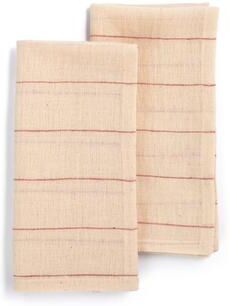
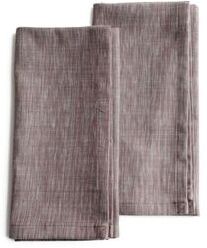
"ON TRACK Napkins - Handmade Organic Cotton by Sustainable Threads Fair Trade Eco-Dyed - 20""x20"" (Set of 2)"ON TRACK Handwoven Organic Cotton Napkins Modern and purposeful, these yarn-dyed, handwoven napkins are made from indigenous, drought-resistant organic cotton dyed with botanical materials and crafted using traditional handspun weaving techniques.48,00 $*Shipping: 0,00 $Secure redirect to the provider

-
Can freshly dyed hair be dyed over again?
Yes, freshly dyed hair can be dyed over again, but it is generally recommended to wait at least 2-3 weeks before applying another dye to allow the hair to recover and prevent damage. It is important to consider the current color of the hair and the desired end result when deciding to dye over freshly dyed hair. Consulting with a professional hairstylist is also recommended to ensure the best outcome and to prevent any potential damage to the hair. **
-
What is sustainable nutrition?
Sustainable nutrition refers to the practice of consuming food in a way that supports the health of both individuals and the planet. This involves choosing foods that are produced in an environmentally friendly manner, such as organic farming or reducing food waste. Sustainable nutrition also considers the social and economic aspects of food production, ensuring fair labor practices and supporting local communities. Overall, sustainable nutrition aims to promote a healthy diet that is good for both people and the planet in the long term. **
-
Can polyamide be dyed?
Yes, polyamide can be dyed. Polyamide, also known as nylon, is a synthetic polymer that can be dyed using various dyeing techniques such as solution dyeing, yarn dyeing, or piece dyeing. However, the dyeing process for polyamide may require specific dye types and dyeing conditions to ensure good color fastness and dye penetration. Overall, with the right dyeing methods and proper care, polyamide can be successfully dyed to achieve desired colors and shades. **
-
Are colorful chicks dyed?
Yes, colorful chicks are often dyed using food-grade dyes for decorative purposes. This practice is commonly seen around Easter time when chicks are dyed in bright colors to make them more appealing as pets or for festive displays. However, it is important to note that dyeing chicks can be harmful to their health and well-being, as the dye can be ingested or absorbed through their skin. It is recommended to avoid dyeing chicks and instead appreciate their natural beauty. **

Are white vans dyed?
No, white vans are not dyed. White vans are typically painted white during the manufacturing process. The white color is achieved by using white paint or a white coating on the exterior of the van. Dyed colors are typically used for fabrics or materials that can absorb the dye, whereas paint is used for solid surfaces like metal, plastic, or fiberglass, which are common materials for vans. **
How is salami dyed?
Salami is typically dyed using natural or artificial colorants to achieve the desired appearance. Natural colorants such as paprika, beet juice, or annatto are commonly used to give salami its characteristic red color. Artificial colorants may also be used to enhance the color or achieve a specific shade. The colorants are mixed with the meat mixture before it is stuffed into casings and then the salami is left to cure and dry, allowing the color to develop. **
Top-Angebote
Products related to Dyed:
-
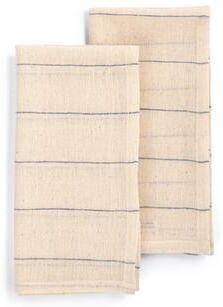
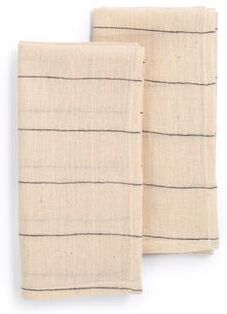
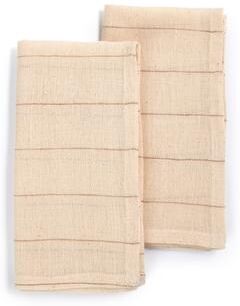
"TIMELESS Organic Cotton Napkins - Handmade, Fair Trade, Eco-Dyed by Sustainable Threads - 20""x20"" (Set of 2)"TIMELESS Collection Handwoven Organic Cotton Napkins - Set of 2 Classic and enduring, these yarn-dyed, handwoven napkins are crafted from indigenous, drought-resistant organic cotton using traditional handspun and botanical dye methods.64,00 $*Shipping: 0,00 $Secure redirect to the provider
-
"ON TRACK Napkins - Handmade Organic Cotton by Sustainable Threads Fair Trade Eco-Dyed - 20""x20"" (Set of 2)"ON TRACK Handwoven Organic Cotton Napkins Modern and purposeful, these yarn-dyed, handwoven napkins are made from indigenous, drought-resistant organic cotton dyed with botanical materials and crafted using traditional handspun weaving techniques.48,00 $*Shipping: 0,00 $Secure redirect to the provider
-
Can dyed hair be dyed again?
Yes, dyed hair can be dyed again. However, it is important to consider the current color of the hair and the desired end result. If the hair is already heavily dyed, it may be necessary to first remove the existing color before applying a new one. Additionally, it is important to consider the health of the hair and ensure that it is in good condition before applying any new dye. Consulting with a professional hair stylist is recommended to ensure the best results. **
-
Can freshly dyed hair be dyed again?
Yes, freshly dyed hair can be dyed again, but it is generally recommended to wait at least 2-3 weeks before applying another dye to allow the hair to recover and prevent damage. It is important to consider the current condition of the hair and choose a dye that is gentle and nourishing to prevent further damage. Consulting with a professional hairstylist is also recommended to ensure the best results and minimize the risk of over-processing the hair. **
-
Can freshly dyed hair be dyed over again?
Yes, freshly dyed hair can be dyed over again, but it is generally recommended to wait at least 2-3 weeks before applying another dye to allow the hair to recover and prevent damage. It is important to consider the current color of the hair and the desired end result when deciding to dye over freshly dyed hair. Consulting with a professional hairstylist is also recommended to ensure the best outcome and to prevent any potential damage to the hair. **
-
What is sustainable nutrition?
Sustainable nutrition refers to the practice of consuming food in a way that supports the health of both individuals and the planet. This involves choosing foods that are produced in an environmentally friendly manner, such as organic farming or reducing food waste. Sustainable nutrition also considers the social and economic aspects of food production, ensuring fair labor practices and supporting local communities. Overall, sustainable nutrition aims to promote a healthy diet that is good for both people and the planet in the long term. **
Similar search terms for Dyed
-
"TIMELESS Organic Cotton Napkins - Handmade, Fair Trade, Eco-Dyed by Sustainable Threads - 20""x20"" (Set of 2)"TIMELESS Collection Handwoven Organic Cotton Napkins - Set of 2 Classic and enduring, these yarn-dyed, handwoven napkins are crafted from indigenous, drought-resistant organic cotton using traditional handspun and botanical dye methods.64,00 $*Shipping: 0,00 $Secure redirect to the provider
-
"TIMELESS Organic Cotton Napkins - Handmade, Fair Trade, Eco-Dyed by Sustainable Threads - 20""x20"" (Set of 2)"TIMELESS Collection Handwoven Organic Cotton Napkins - Set of 2 Classic and enduring, these yarn-dyed, handwoven napkins are crafted from indigenous, drought-resistant organic cotton using traditional handspun and botanical dye methods.64,00 $*Shipping: 0,00 $Secure redirect to the provider
-
Can polyamide be dyed?
Yes, polyamide can be dyed. Polyamide, also known as nylon, is a synthetic polymer that can be dyed using various dyeing techniques such as solution dyeing, yarn dyeing, or piece dyeing. However, the dyeing process for polyamide may require specific dye types and dyeing conditions to ensure good color fastness and dye penetration. Overall, with the right dyeing methods and proper care, polyamide can be successfully dyed to achieve desired colors and shades. **
-
Are colorful chicks dyed?
Yes, colorful chicks are often dyed using food-grade dyes for decorative purposes. This practice is commonly seen around Easter time when chicks are dyed in bright colors to make them more appealing as pets or for festive displays. However, it is important to note that dyeing chicks can be harmful to their health and well-being, as the dye can be ingested or absorbed through their skin. It is recommended to avoid dyeing chicks and instead appreciate their natural beauty. **
-
Are white vans dyed?
No, white vans are not dyed. White vans are typically painted white during the manufacturing process. The white color is achieved by using white paint or a white coating on the exterior of the van. Dyed colors are typically used for fabrics or materials that can absorb the dye, whereas paint is used for solid surfaces like metal, plastic, or fiberglass, which are common materials for vans. **
-
How is salami dyed?
Salami is typically dyed using natural or artificial colorants to achieve the desired appearance. Natural colorants such as paprika, beet juice, or annatto are commonly used to give salami its characteristic red color. Artificial colorants may also be used to enhance the color or achieve a specific shade. The colorants are mixed with the meat mixture before it is stuffed into casings and then the salami is left to cure and dry, allowing the color to develop. **
* All prices are inclusive of VAT and, if applicable, plus shipping costs. The offer information is based on the details provided by the respective shop and is updated through automated processes. Real-time updates do not occur, so deviations can occur in individual cases. ** Note: Parts of this content were created by AI.