Buy enerfish.eu ?
We are moving the project
enerfish.eu .
Are you interested in purchasing the domain
enerfish.eu ?
domain@kv-gmbh.de · 0541-91531010
Buy enerfish.eu ?
Is Lexi Rivera as famous as the Kardashians?
Lexi Rivera is a popular social media influencer and YouTuber with a large following, but she is not as famous as the Kardashians. The Kardashians have been in the public eye for over a decade and have built a massive empire through their reality show, business ventures, and social media presence. While Lexi Rivera has a significant following and is well-known in the influencer community, she does not have the same level of mainstream recognition and global impact as the Kardashians. **
How sustainable is acrylic glass?
Acrylic glass, also known as plexiglass, is considered to be a more sustainable alternative to traditional glass due to its lighter weight and durability, which can result in lower transportation emissions and reduced breakage during handling. Additionally, acrylic glass is recyclable, allowing it to be repurposed into new products. However, the production of acrylic glass does require the use of fossil fuels, which can contribute to greenhouse gas emissions. Overall, while acrylic glass has some sustainability benefits, it is important to consider its full life cycle impact on the environment. **

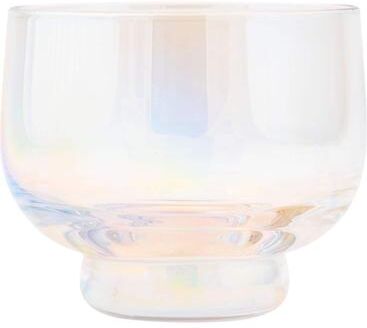
Similar search terms for Karma-Lexi-Mixing-Glass
Top-Angebote
Products related to Karma-Lexi-Mixing-Glass:




-
Does karma exist?
Karma is a concept from Hinduism and Buddhism that refers to the idea that the effects of a person's actions will influence their future experiences. Whether or not karma exists is a matter of personal belief. Some people believe in the concept of karma as a guiding force in the universe, while others may see it as a metaphor for cause and effect. Ultimately, the existence of karma is a philosophical and spiritual question that varies depending on individual perspectives and beliefs. **
-
Is Karma real?
Karma is a concept in various Eastern religions and philosophies that suggests that the consequences of a person's actions will affect their future. While the idea of karma is not scientifically proven, many people believe in its principles as a way to understand the interconnectedness of actions and their outcomes. Whether karma is real or not ultimately depends on one's personal beliefs and interpretations of the concept. **
-
What exactly is karma?
Karma is a concept in Hinduism, Buddhism, and other Eastern religions that refers to the idea of cause and effect. It is the belief that the actions and intentions of an individual have an impact on their future experiences and circumstances. In other words, the energy and intentions that we put out into the world will eventually come back to us in some form, whether it be in this lifetime or in future lifetimes. This can be seen as a moral law of the universe that encourages individuals to act with kindness, compassion, and good intentions in order to create positive karma for themselves. **
-
Is karma watching you?
Karma is not a sentient being that watches or judges individuals. Instead, karma is a concept in various Eastern religions and philosophies that refers to the idea that the effects of a person's actions will influence their future experiences. In this sense, karma is not actively watching individuals, but rather represents the natural consequences of their actions. It is a belief that encourages individuals to act with mindfulness and consideration for the impact of their choices. **


Is there Karma 9?
Karma 9 is not a widely recognized concept in traditional Hinduism or Buddhism, where the concept of karma originates. In these belief systems, karma is generally understood as the law of cause and effect, where one's actions and intentions have consequences in this life or future lives. The idea of a specific "Karma 9" is not a traditional or widely accepted concept within these belief systems. It's possible that "Karma 9" may be a reference to a specific interpretation or concept within a particular spiritual or philosophical tradition, but it is not a widely recognized term in the context of karma. **
Does Buddhism have karma?
Yes, Buddhism does have the concept of karma. In Buddhism, karma refers to the law of cause and effect, where one's actions and intentions have consequences that affect their future experiences. Good actions lead to positive karma and favorable outcomes, while negative actions lead to negative karma and unfavorable outcomes. The concept of karma is central to the Buddhist belief in the cycle of birth, death, and rebirth, known as samsara, and it emphasizes the importance of ethical behavior and mindfulness in shaping one's destiny. **
Top-Angebote
Products related to Karma-Lexi-Mixing-Glass:
-
Is Lexi Rivera as famous as the Kardashians?
Lexi Rivera is a popular social media influencer and YouTuber with a large following, but she is not as famous as the Kardashians. The Kardashians have been in the public eye for over a decade and have built a massive empire through their reality show, business ventures, and social media presence. While Lexi Rivera has a significant following and is well-known in the influencer community, she does not have the same level of mainstream recognition and global impact as the Kardashians. **
-
How sustainable is acrylic glass?
Acrylic glass, also known as plexiglass, is considered to be a more sustainable alternative to traditional glass due to its lighter weight and durability, which can result in lower transportation emissions and reduced breakage during handling. Additionally, acrylic glass is recyclable, allowing it to be repurposed into new products. However, the production of acrylic glass does require the use of fossil fuels, which can contribute to greenhouse gas emissions. Overall, while acrylic glass has some sustainability benefits, it is important to consider its full life cycle impact on the environment. **
-
Does karma exist?
Karma is a concept from Hinduism and Buddhism that refers to the idea that the effects of a person's actions will influence their future experiences. Whether or not karma exists is a matter of personal belief. Some people believe in the concept of karma as a guiding force in the universe, while others may see it as a metaphor for cause and effect. Ultimately, the existence of karma is a philosophical and spiritual question that varies depending on individual perspectives and beliefs. **
-
Is Karma real?
Karma is a concept in various Eastern religions and philosophies that suggests that the consequences of a person's actions will affect their future. While the idea of karma is not scientifically proven, many people believe in its principles as a way to understand the interconnectedness of actions and their outcomes. Whether karma is real or not ultimately depends on one's personal beliefs and interpretations of the concept. **
Similar search terms for Karma-Lexi-Mixing-Glass
-
What exactly is karma?
Karma is a concept in Hinduism, Buddhism, and other Eastern religions that refers to the idea of cause and effect. It is the belief that the actions and intentions of an individual have an impact on their future experiences and circumstances. In other words, the energy and intentions that we put out into the world will eventually come back to us in some form, whether it be in this lifetime or in future lifetimes. This can be seen as a moral law of the universe that encourages individuals to act with kindness, compassion, and good intentions in order to create positive karma for themselves. **
-
Is karma watching you?
Karma is not a sentient being that watches or judges individuals. Instead, karma is a concept in various Eastern religions and philosophies that refers to the idea that the effects of a person's actions will influence their future experiences. In this sense, karma is not actively watching individuals, but rather represents the natural consequences of their actions. It is a belief that encourages individuals to act with mindfulness and consideration for the impact of their choices. **
-
Is there Karma 9?
Karma 9 is not a widely recognized concept in traditional Hinduism or Buddhism, where the concept of karma originates. In these belief systems, karma is generally understood as the law of cause and effect, where one's actions and intentions have consequences in this life or future lives. The idea of a specific "Karma 9" is not a traditional or widely accepted concept within these belief systems. It's possible that "Karma 9" may be a reference to a specific interpretation or concept within a particular spiritual or philosophical tradition, but it is not a widely recognized term in the context of karma. **
-
Does Buddhism have karma?
Yes, Buddhism does have the concept of karma. In Buddhism, karma refers to the law of cause and effect, where one's actions and intentions have consequences that affect their future experiences. Good actions lead to positive karma and favorable outcomes, while negative actions lead to negative karma and unfavorable outcomes. The concept of karma is central to the Buddhist belief in the cycle of birth, death, and rebirth, known as samsara, and it emphasizes the importance of ethical behavior and mindfulness in shaping one's destiny. **
* All prices are inclusive of VAT and, if applicable, plus shipping costs. The offer information is based on the details provided by the respective shop and is updated through automated processes. Real-time updates do not occur, so deviations can occur in individual cases. ** Note: Parts of this content were created by AI.