Buy enerfish.eu ?
We are moving the project
enerfish.eu .
Are you interested in purchasing the domain
enerfish.eu ?
domain@kv-gmbh.de · 0541-91531010
Buy enerfish.eu ?
How do non-homologous recombination and homologous recombination work?
Non-homologous recombination involves the joining of two DNA molecules at non-homologous sequences, resulting in the insertion, deletion, or rearrangement of genetic material. This process is often error-prone and can lead to mutations. Homologous recombination, on the other hand, involves the exchange of genetic material between two similar DNA molecules, typically occurring during meiosis. This process is important for repairing DNA damage and ensuring genetic diversity. It involves the exchange of genetic material between homologous chromosomes, resulting in the formation of new combinations of genes. **
Can non-homologous chromosomes cross over?
No, non-homologous chromosomes cannot undergo crossing over during meiosis. Crossing over is a process that involves the exchange of genetic material between homologous chromosomes, which are chromosomes that are similar in size, shape, and gene content. Non-homologous chromosomes do not have the necessary similarity in order to undergo crossing over. **


Similar search terms for Non-homologous
Top-Angebote
Products related to Non-homologous:
-
"BergHOFF Graphite Non-stick Ceramic Grill Pan 11"", Sustainable Recycled Material - 11""""Leo Graphite Square grill pan 11"" is built with sustainable and healthy non-toxic, PTFE free, PFAS free non-stick CeraGreen ceramic coating, recycled aluminum for no oil, no fat cooking, suitable for all types of stoves."119,99 $*Shipping: 0,00 $Secure redirect to the provider
-
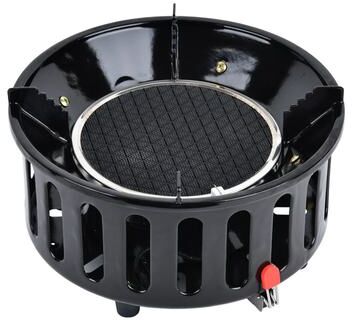
Youfap Market Energy Efficient Camping Butane Stove, Portable Propane Burner For Outdoor Adventures Energy Efficient Camping Butane Stove, Portable Propane Burner For Outdoor AdventuresReady for your next outdoor adventure The Camping Butane Stove is the perfect solution for quick, efficient cooking on the go. Whether you're embarking on a weekend camping trip or enjoying a family picnic, this energysaving stove ensures you can...124,97 $*Shipping: 0,00 $Secure redirect to the provider
-
Porch & Den Inez Energy-efficient Sidelight Curtain Panel, Single PanelKeep your entryway private with this stylish sidelight curtain panel. Constructed from polyester, this panel is energy-efficient and machine-washable for convenient cleaning. Choose from six neutral color options to pair with your decor.27,48 $*Shipping: 0,00 $Secure redirect to the provider
-
All Categories Goods LED Solar Motion Sensor Outdoor Security Wall Lights Waterproof & Energy Efficient LED Solar Motion Sensor Outdoor Security Wall Lights Waterproof & Energy EfficientIlluminate your home with the power of the sun with the 1 pc of 168 LED Solar Motion Sensor Outdoor Security Wall Lights. Designed for homeowners seeking reliable, ecofriendly lighting solutions, these outdoor lights offer superior security and...44,97 $*Shipping: 0,00 $Secure redirect to the provider



-
Are modifications homologous?
Modifications can be homologous if they are derived from a common ancestral modification and have similar functions in different species. For example, the presence of similar modifications in the wings of bats and birds, both of which enable flight, suggests homology. However, modifications can also be analogous, meaning they have similar functions but are not derived from a common ancestor. An example of analogous modifications is the wings of birds and insects, which have different evolutionary origins but serve the same function of flight. **
-
Why are bird feathers homologous?
Bird feathers are homologous because they all share a common evolutionary origin. They are derived from the same structure in the common ancestor of all birds. Despite the variations in size, shape, and color, bird feathers all serve the same fundamental purpose of providing insulation, aiding in flight, and attracting mates. This shared ancestry and function make bird feathers homologous structures. **
-
Which homologous organs exist in plants?
Homologous organs in plants are structures that have a common evolutionary origin but may have different functions. Examples of homologous organs in plants include the various types of leaves, such as simple leaves, compound leaves, and scale leaves, which all have a common origin but serve different functions in different plant species. Another example is the different types of flowers, which have a common origin but may have evolved to attract different pollinators or serve different reproductive strategies. Additionally, the various types of stems, such as rhizomes, stolons, and tubers, are also considered homologous organs in plants. **
-
Are Maybugs analogous or homologous animals?
Maybugs, also known as cockchafers, are not analogous or homologous to any other animals. They are a unique species of beetle belonging to the family Scarabaeidae. Analogous structures are similar in function but not in structure or evolutionary origin, while homologous structures are similar in structure and evolutionary origin but not necessarily in function. Maybugs do not share these similarities with any other animals, making them a distinct and separate species. **


Are bat wings homologous or analogous?
Bat wings are homologous structures, meaning they share a common evolutionary origin with the wings of other mammals, such as humans and whales. This suggests that bats, humans, and whales all inherited their limb structure from a common ancestor. In contrast, analogous structures are those that have similar functions but different evolutionary origins, such as the wings of birds and insects. **
What is a homologous series of alkanes?
A homologous series of alkanes is a group of organic compounds that have similar chemical properties and structural features. These compounds are characterized by having a general formula of CnH2n+2, where n represents the number of carbon atoms in the molecule. Each member of the series differs from the next by a CH2 unit, resulting in a gradual increase in molecular size and mass. Alkanes in a homologous series are saturated hydrocarbons, meaning they contain only single bonds between carbon atoms. Examples of alkanes in a homologous series include methane (CH4), ethane (C2H6), propane (C3H8), and so on. **
Top-Angebote
Products related to Non-homologous:
-
Velux TMR Sun Tunnel Residential Tubular Rigid Skylight Pitched 10 Inch Non-Impact Non-Energy EfficientThe Velux TMR Rigid Sun Tunnel Skylight is a powerful daylighting solution designed to bring natural light into areas of your home where traditional skylights may not be practical. Ideal for hallways bathrooms closets and other interior spaces the...322,74 $*Shipping: 0,00 $Secure redirect to the provider
-
BRA Cookware Efficient Non-Stick Frying Pan Set BlackPerformance Meets Durability for Everyday Cooking The Efficient frying pan is designed for those who demand both quality and performance in the kitchen. Crafted from robust cast aluminium, it offers long-lasting durability and exceptional heat retention. The PFOA-free Platinum Plus non-stick coating ensures effortless food release and easy cleaning—perfect for healthy, low-oil cooking. Thanks to its full induction diffuser base, this pan delivers even heat distribution across all types of stovetops, including induction, for consistently perfect results with every recipe. 18 cm, 22 cm, and 26 cm frying pans BRA Cookware86,99 £*Shipping: 0,00 £Secure redirect to the provider
-
"BergHOFF Graphite Non-stick Ceramic Grill Pan 11"", Sustainable Recycled Material - 11""""Leo Graphite Square grill pan 11"" is built with sustainable and healthy non-toxic, PTFE free, PFAS free non-stick CeraGreen ceramic coating, recycled aluminum for no oil, no fat cooking, suitable for all types of stoves."119,99 $*Shipping: 0,00 $Secure redirect to the provider
-
Youfap Market Energy Efficient Camping Butane Stove, Portable Propane Burner For Outdoor Adventures Energy Efficient Camping Butane Stove, Portable Propane Burner For Outdoor AdventuresReady for your next outdoor adventure The Camping Butane Stove is the perfect solution for quick, efficient cooking on the go. Whether you're embarking on a weekend camping trip or enjoying a family picnic, this energysaving stove ensures you can...124,97 $*Shipping: 0,00 $Secure redirect to the provider
-
How do non-homologous recombination and homologous recombination work?
Non-homologous recombination involves the joining of two DNA molecules at non-homologous sequences, resulting in the insertion, deletion, or rearrangement of genetic material. This process is often error-prone and can lead to mutations. Homologous recombination, on the other hand, involves the exchange of genetic material between two similar DNA molecules, typically occurring during meiosis. This process is important for repairing DNA damage and ensuring genetic diversity. It involves the exchange of genetic material between homologous chromosomes, resulting in the formation of new combinations of genes. **
-
Can non-homologous chromosomes cross over?
No, non-homologous chromosomes cannot undergo crossing over during meiosis. Crossing over is a process that involves the exchange of genetic material between homologous chromosomes, which are chromosomes that are similar in size, shape, and gene content. Non-homologous chromosomes do not have the necessary similarity in order to undergo crossing over. **
-
Are modifications homologous?
Modifications can be homologous if they are derived from a common ancestral modification and have similar functions in different species. For example, the presence of similar modifications in the wings of bats and birds, both of which enable flight, suggests homology. However, modifications can also be analogous, meaning they have similar functions but are not derived from a common ancestor. An example of analogous modifications is the wings of birds and insects, which have different evolutionary origins but serve the same function of flight. **
-
Why are bird feathers homologous?
Bird feathers are homologous because they all share a common evolutionary origin. They are derived from the same structure in the common ancestor of all birds. Despite the variations in size, shape, and color, bird feathers all serve the same fundamental purpose of providing insulation, aiding in flight, and attracting mates. This shared ancestry and function make bird feathers homologous structures. **
Similar search terms for Non-homologous
-
Porch & Den Inez Energy-efficient Sidelight Curtain Panel, Single PanelKeep your entryway private with this stylish sidelight curtain panel. Constructed from polyester, this panel is energy-efficient and machine-washable for convenient cleaning. Choose from six neutral color options to pair with your decor.27,48 $*Shipping: 0,00 $Secure redirect to the provider
-
All Categories Goods LED Solar Motion Sensor Outdoor Security Wall Lights Waterproof & Energy Efficient LED Solar Motion Sensor Outdoor Security Wall Lights Waterproof & Energy EfficientIlluminate your home with the power of the sun with the 1 pc of 168 LED Solar Motion Sensor Outdoor Security Wall Lights. Designed for homeowners seeking reliable, ecofriendly lighting solutions, these outdoor lights offer superior security and...44,97 $*Shipping: 0,00 $Secure redirect to the provider
-
Yeego 60-Can Direct-Cool Beverage Cooler, Energy-Efficient Mini FridgeThe Yeego Beverage Refrigerator brings a refined balance of form and function, offering a sleek, compact design that fits effortlessly into kitchens, home bars, or entertainment spaces.198,72 $*Shipping: 0,00 $Secure redirect to the provider
-
All Categories Goods LED Flat Panel Light Recessed Ceiling Light, Energy Efficient, Bright Lighting Solution LED Flat Panel Light Recessed Ceiling Light, Energy Efficient, Bright Lighting SolutionUpgrade your home or office with these 2 pcs of sleek and energyefficient 48W LED flat panel light. Designed for recessed ceiling installations, this lighting solution offers an ultrabright 7000K daylight output with an impressive 5800LM brightness....229,97 $*Shipping: 0,00 $Secure redirect to the provider
-
Which homologous organs exist in plants?
Homologous organs in plants are structures that have a common evolutionary origin but may have different functions. Examples of homologous organs in plants include the various types of leaves, such as simple leaves, compound leaves, and scale leaves, which all have a common origin but serve different functions in different plant species. Another example is the different types of flowers, which have a common origin but may have evolved to attract different pollinators or serve different reproductive strategies. Additionally, the various types of stems, such as rhizomes, stolons, and tubers, are also considered homologous organs in plants. **
-
Are Maybugs analogous or homologous animals?
Maybugs, also known as cockchafers, are not analogous or homologous to any other animals. They are a unique species of beetle belonging to the family Scarabaeidae. Analogous structures are similar in function but not in structure or evolutionary origin, while homologous structures are similar in structure and evolutionary origin but not necessarily in function. Maybugs do not share these similarities with any other animals, making them a distinct and separate species. **
-
Are bat wings homologous or analogous?
Bat wings are homologous structures, meaning they share a common evolutionary origin with the wings of other mammals, such as humans and whales. This suggests that bats, humans, and whales all inherited their limb structure from a common ancestor. In contrast, analogous structures are those that have similar functions but different evolutionary origins, such as the wings of birds and insects. **
-
What is a homologous series of alkanes?
A homologous series of alkanes is a group of organic compounds that have similar chemical properties and structural features. These compounds are characterized by having a general formula of CnH2n+2, where n represents the number of carbon atoms in the molecule. Each member of the series differs from the next by a CH2 unit, resulting in a gradual increase in molecular size and mass. Alkanes in a homologous series are saturated hydrocarbons, meaning they contain only single bonds between carbon atoms. Examples of alkanes in a homologous series include methane (CH4), ethane (C2H6), propane (C3H8), and so on. **
* All prices are inclusive of VAT and, if applicable, plus shipping costs. The offer information is based on the details provided by the respective shop and is updated through automated processes. Real-time updates do not occur, so deviations can occur in individual cases. ** Note: Parts of this content were created by AI.