Buy enerfish.eu ?
We are moving the project
enerfish.eu .
Are you interested in purchasing the domain
enerfish.eu ?
domain@kv-gmbh.de · 0541-91531010
Buy enerfish.eu ?
What is the free energy in thermodynamics?
In thermodynamics, free energy is a measure of the energy in a system that is available to do work. It is denoted by the symbol G and is defined as the energy of a system that is available to do work at constant temperature and pressure. Free energy is important in determining the spontaneity of a process, as a decrease in free energy indicates that a process is spontaneous. It is also used to calculate the maximum work that can be obtained from a system. **
What is the relationship between thermodynamics and energy?
Thermodynamics is the branch of physics that deals with the relationships between heat and other forms of energy. It describes how energy is transferred between systems and how it can be converted from one form to another. Energy is a fundamental concept in thermodynamics, as it is the driving force behind all thermodynamic processes. In essence, thermodynamics provides the framework for understanding how energy behaves in various systems and environments. **

Similar search terms for Thermodynamics
Top-Angebote
Products related to Thermodynamics:
-
All Categories Goods LED Solar Motion Sensor Outdoor Security Wall Lights Waterproof & Energy Efficient LED Solar Motion Sensor Outdoor Security Wall Lights Waterproof & Energy EfficientIlluminate your home with the power of the sun with the 1 pc of 168 LED Solar Motion Sensor Outdoor Security Wall Lights. Designed for homeowners seeking reliable, ecofriendly lighting solutions, these outdoor lights offer superior security and...44,97 $*Shipping: 0,00 $Secure redirect to the provider
-
Yeego 60-Can Direct-Cool Beverage Cooler, Energy-Efficient Mini FridgeThe Yeego Beverage Refrigerator brings a refined balance of form and function, offering a sleek, compact design that fits effortlessly into kitchens, home bars, or entertainment spaces.202,72 $*Shipping: 0,00 $Secure redirect to the provider
-
All Categories Goods LED Flat Panel Light Recessed Ceiling Light, Energy Efficient, Bright Lighting Solution LED Flat Panel Light Recessed Ceiling Light, Energy Efficient, Bright Lighting SolutionUpgrade your home or office with these 2 pcs of sleek and energyefficient 48W LED flat panel light. Designed for recessed ceiling installations, this lighting solution offers an ultrabright 7000K daylight output with an impressive 5800LM brightness....229,97 $*Shipping: 0,00 $Secure redirect to the provider
-
Kesnos Energy Star Most Efficient Dehumidifier, 52 Pints for 4,500 Sq. Ft.Kesnos Energy Star Most Efficient 2024 Dehumidifier removes up to 52 pints of moisture per day, covering up to 4,500 sq. ft. With adjustable humidity control (30-80% RH), multiple modes, and energy-saving features. Powerful 4,500 Sq. Ft.210,99 $*Shipping: 0,00 $Secure redirect to the provider


-
What is the type of energy conversion in thermodynamics?
The type of energy conversion in thermodynamics is typically the conversion of heat energy into mechanical work, or vice versa. This is described by the first and second laws of thermodynamics, which govern the transfer and transformation of energy in a system. Heat energy can be converted into mechanical work through processes such as combustion in an engine, while mechanical work can be converted into heat energy through processes like friction. **
-
What is the formula for internal energy in thermodynamics?
The formula for internal energy in thermodynamics is U = Q - W, where U is the internal energy, Q is the heat added to the system, and W is the work done by the system. This formula represents the first law of thermodynamics, which states that the change in internal energy of a system is equal to the heat added to the system minus the work done by the system. This formula is fundamental in understanding the energy changes within a thermodynamic system. **
-
What is thermodynamics 2?
Thermodynamics 2 is a more advanced level of study in the field of thermodynamics, building upon the foundational concepts introduced in Thermodynamics 1. It delves deeper into topics such as entropy, heat transfer, and energy conversion processes. Thermodynamics 2 typically covers more complex systems and applications, providing a more comprehensive understanding of how energy behaves in various systems and environments. Students in Thermodynamics 2 often explore real-world engineering problems and applications to further enhance their knowledge and skills in the field. **
-
How is the energy consumed in thermodynamics calculated for a day?
The energy consumed in thermodynamics for a day can be calculated by multiplying the power consumption of a device by the time it is in use. This can be done for all devices and appliances used throughout the day, and the total energy consumption can be calculated by adding up the energy used by each device. The power consumption of each device can be found on its label or in its specifications, and the time it is in use can be estimated based on typical usage patterns. This calculation can help individuals and businesses understand their energy usage and make more informed decisions about energy conservation. **


Is thermodynamics difficult to understand?
Thermodynamics can be challenging to understand for some people due to its complex concepts and mathematical equations. However, with the right resources and guidance, it is possible to grasp the fundamental principles of thermodynamics. Breaking down the concepts into smaller, more manageable parts and practicing problem-solving can help in understanding thermodynamics better. Overall, while it may be challenging, with dedication and effort, it is possible to understand thermodynamics. **
What is thermodynamics in physics?
Thermodynamics is a branch of physics that deals with the study of heat and energy transfer in systems. It focuses on understanding how energy is converted from one form to another and how it affects the behavior of matter. Thermodynamics also explores concepts such as temperature, pressure, and entropy to describe the relationships between different forms of energy and their effects on physical systems. It plays a crucial role in various fields of science and engineering, including chemistry, biology, and environmental science. **
Top-Angebote
Products related to Thermodynamics:
-
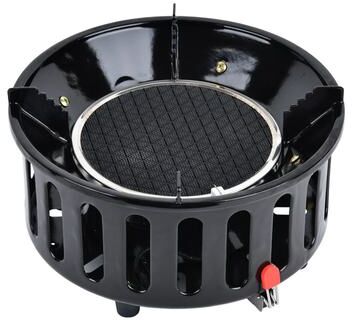
Youfap Market Energy Efficient Camping Butane Stove, Portable Propane Burner For Outdoor Adventures Energy Efficient Camping Butane Stove, Portable Propane Burner For Outdoor AdventuresReady for your next outdoor adventure The Camping Butane Stove is the perfect solution for quick, efficient cooking on the go. Whether you're embarking on a weekend camping trip or enjoying a family picnic, this energysaving stove ensures you can...124,97 $*Shipping: 0,00 $Secure redirect to the provider
-
Porch & Den Inez Energy-efficient Sidelight Curtain Panel, Single PanelKeep your entryway private with this stylish sidelight curtain panel. Constructed from polyester, this panel is energy-efficient and machine-washable for convenient cleaning. Choose from six neutral color options to pair with your decor.27,48 $*Shipping: 0,00 $Secure redirect to the provider
-
All Categories Goods LED Solar Motion Sensor Outdoor Security Wall Lights Waterproof & Energy Efficient LED Solar Motion Sensor Outdoor Security Wall Lights Waterproof & Energy EfficientIlluminate your home with the power of the sun with the 1 pc of 168 LED Solar Motion Sensor Outdoor Security Wall Lights. Designed for homeowners seeking reliable, ecofriendly lighting solutions, these outdoor lights offer superior security and...44,97 $*Shipping: 0,00 $Secure redirect to the provider
-
Yeego 60-Can Direct-Cool Beverage Cooler, Energy-Efficient Mini FridgeThe Yeego Beverage Refrigerator brings a refined balance of form and function, offering a sleek, compact design that fits effortlessly into kitchens, home bars, or entertainment spaces.202,72 $*Shipping: 0,00 $Secure redirect to the provider
-
What is the free energy in thermodynamics?
In thermodynamics, free energy is a measure of the energy in a system that is available to do work. It is denoted by the symbol G and is defined as the energy of a system that is available to do work at constant temperature and pressure. Free energy is important in determining the spontaneity of a process, as a decrease in free energy indicates that a process is spontaneous. It is also used to calculate the maximum work that can be obtained from a system. **
-
What is the relationship between thermodynamics and energy?
Thermodynamics is the branch of physics that deals with the relationships between heat and other forms of energy. It describes how energy is transferred between systems and how it can be converted from one form to another. Energy is a fundamental concept in thermodynamics, as it is the driving force behind all thermodynamic processes. In essence, thermodynamics provides the framework for understanding how energy behaves in various systems and environments. **
-
What is the type of energy conversion in thermodynamics?
The type of energy conversion in thermodynamics is typically the conversion of heat energy into mechanical work, or vice versa. This is described by the first and second laws of thermodynamics, which govern the transfer and transformation of energy in a system. Heat energy can be converted into mechanical work through processes such as combustion in an engine, while mechanical work can be converted into heat energy through processes like friction. **
-
What is the formula for internal energy in thermodynamics?
The formula for internal energy in thermodynamics is U = Q - W, where U is the internal energy, Q is the heat added to the system, and W is the work done by the system. This formula represents the first law of thermodynamics, which states that the change in internal energy of a system is equal to the heat added to the system minus the work done by the system. This formula is fundamental in understanding the energy changes within a thermodynamic system. **
Similar search terms for Thermodynamics
-
All Categories Goods LED Flat Panel Light Recessed Ceiling Light, Energy Efficient, Bright Lighting Solution LED Flat Panel Light Recessed Ceiling Light, Energy Efficient, Bright Lighting SolutionUpgrade your home or office with these 2 pcs of sleek and energyefficient 48W LED flat panel light. Designed for recessed ceiling installations, this lighting solution offers an ultrabright 7000K daylight output with an impressive 5800LM brightness....229,97 $*Shipping: 0,00 $Secure redirect to the provider
-
Kesnos Energy Star Most Efficient Dehumidifier, 52 Pints for 4,500 Sq. Ft.Kesnos Energy Star Most Efficient 2024 Dehumidifier removes up to 52 pints of moisture per day, covering up to 4,500 sq. ft. With adjustable humidity control (30-80% RH), multiple modes, and energy-saving features. Powerful 4,500 Sq. Ft.210,99 $*Shipping: 0,00 $Secure redirect to the provider
-
HomeDecorAndMore LLC Waterproof Energy Efficient Flickering Solar Flame Lights 2 Torch PackLooking to add a magical touch to your outdoor space Look no further than our Solar Flame Lights, the perfect solution for those seeking to create a captivating ambiance without the high cost or hassle of traditional lighting options. With many...48,97 $*Shipping: 0,00 $Secure redirect to the provider
-
Multicon Wholesale Hub LED Ceiling Light Fixture Energy Efficient Acrylic LED Ceiling Lamp For Living Room LED Ceiling Light Fixture Energy Efficient Acrylic LED Ceiling Lamp For Living RoomTransform the heart of your home with warm, inviting illumination that feels effortless and modern. This LED ceiling light is perfect for homeowners and renovators who want reliable, energyfriendly lighting without fuss. Its sleek acrylic design...79,97 $*Shipping: 0,00 $Secure redirect to the provider
-
What is thermodynamics 2?
Thermodynamics 2 is a more advanced level of study in the field of thermodynamics, building upon the foundational concepts introduced in Thermodynamics 1. It delves deeper into topics such as entropy, heat transfer, and energy conversion processes. Thermodynamics 2 typically covers more complex systems and applications, providing a more comprehensive understanding of how energy behaves in various systems and environments. Students in Thermodynamics 2 often explore real-world engineering problems and applications to further enhance their knowledge and skills in the field. **
-
How is the energy consumed in thermodynamics calculated for a day?
The energy consumed in thermodynamics for a day can be calculated by multiplying the power consumption of a device by the time it is in use. This can be done for all devices and appliances used throughout the day, and the total energy consumption can be calculated by adding up the energy used by each device. The power consumption of each device can be found on its label or in its specifications, and the time it is in use can be estimated based on typical usage patterns. This calculation can help individuals and businesses understand their energy usage and make more informed decisions about energy conservation. **
-
Is thermodynamics difficult to understand?
Thermodynamics can be challenging to understand for some people due to its complex concepts and mathematical equations. However, with the right resources and guidance, it is possible to grasp the fundamental principles of thermodynamics. Breaking down the concepts into smaller, more manageable parts and practicing problem-solving can help in understanding thermodynamics better. Overall, while it may be challenging, with dedication and effort, it is possible to understand thermodynamics. **
-
What is thermodynamics in physics?
Thermodynamics is a branch of physics that deals with the study of heat and energy transfer in systems. It focuses on understanding how energy is converted from one form to another and how it affects the behavior of matter. Thermodynamics also explores concepts such as temperature, pressure, and entropy to describe the relationships between different forms of energy and their effects on physical systems. It plays a crucial role in various fields of science and engineering, including chemistry, biology, and environmental science. **
* All prices are inclusive of VAT and, if applicable, plus shipping costs. The offer information is based on the details provided by the respective shop and is updated through automated processes. Real-time updates do not occur, so deviations can occur in individual cases. ** Note: Parts of this content were created by AI.