Buy enerfish.eu ?
We are moving the project
enerfish.eu .
Are you interested in purchasing the domain
enerfish.eu ?
domain@kv-gmbh.de · 0541-91531010
Buy enerfish.eu ?
How does infinite variability work?
Infinite variability refers to the concept that there are an infinite number of possible variations or combinations within a given system or set of elements. This means that there is no limit to the potential diversity or range of outcomes that can arise. In practical terms, this means that within any given system or process, there is an endless array of potential configurations, choices, and results. This concept is important in fields such as biology, genetics, and technology, where the potential for variation and diversity is crucial to understanding and harnessing the complexity of natural and artificial systems. **
How do you calculate variability?
Variability can be calculated using measures such as range, variance, and standard deviation. The range is the difference between the highest and lowest values in a dataset. Variance is the average of the squared differences from the mean, while the standard deviation is the square root of the variance. These measures help to quantify the spread or dispersion of data points in a dataset, providing insight into the variability of the data. **

Similar search terms for Variability
Top-Angebote
Products related to Variability:
-
Porch & Den Inez Energy-efficient Sidelight Curtain Panel, Single PanelKeep your entryway private with this stylish sidelight curtain panel. Constructed from polyester, this panel is energy-efficient and machine-washable for convenient cleaning. Choose from six neutral color options to pair with your decor.27,48 $*Shipping: 0,00 $Secure redirect to the provider
-
All Categories Goods LED Solar Motion Sensor Outdoor Security Wall Lights Waterproof & Energy Efficient LED Solar Motion Sensor Outdoor Security Wall Lights Waterproof & Energy EfficientIlluminate your home with the power of the sun with the 1 pc of 168 LED Solar Motion Sensor Outdoor Security Wall Lights. Designed for homeowners seeking reliable, ecofriendly lighting solutions, these outdoor lights offer superior security and...44,97 $*Shipping: 0,00 $Secure redirect to the provider
-
Yeego 60-Can Direct-Cool Beverage Cooler, Energy-Efficient Mini FridgeThe Yeego Beverage Refrigerator brings a refined balance of form and function, offering a sleek, compact design that fits effortlessly into kitchens, home bars, or entertainment spaces.198,72 $*Shipping: 0,00 $Secure redirect to the provider
-
All Categories Goods LED Flat Panel Light Recessed Ceiling Light, Energy Efficient, Bright Lighting Solution LED Flat Panel Light Recessed Ceiling Light, Energy Efficient, Bright Lighting SolutionUpgrade your home or office with these 2 pcs of sleek and energyefficient 48W LED flat panel light. Designed for recessed ceiling installations, this lighting solution offers an ultrabright 7000K daylight output with an impressive 5800LM brightness....229,97 $*Shipping: 0,00 $Secure redirect to the provider


-
What is genetic variability/diversity?
Genetic variability/diversity refers to the differences in genetic makeup among individuals within a population or species. It is essential for the survival and adaptation of a species to changing environments. Genetic diversity allows for the evolution of new traits and adaptations, increasing the chances of a population's survival in the face of environmental challenges and diseases. Maintaining genetic diversity is crucial for the long-term health and sustainability of a population or species. **
-
What is recombination and genetic variability?
Recombination is the process by which genetic material is exchanged between two similar molecules of DNA, resulting in new combinations of genes. This process occurs during meiosis, the cell division that produces gametes (sperm and egg cells). Genetic variability refers to the diversity of genetic material within a population, which is influenced by factors such as recombination, mutations, and gene flow. Recombination plays a key role in generating genetic variability by creating new combinations of genes, which can lead to increased diversity and adaptation within a population. **
-
What is genetic variability and diversity?
Genetic variability refers to the differences in genetic makeup among individuals within a population or species. It is essential for adaptation and evolution as it allows for a range of traits and characteristics to be present within a population. Genetic diversity, on the other hand, refers to the total number of different genetic characteristics in a population. It is important for the long-term survival of a species as it increases the chances of individuals being able to adapt to changing environments and resist diseases. **
-
What is the genetic variability in cheetahs?
Cheetahs have very low genetic variability compared to other big cats, with estimates suggesting that they have lost around 90% of their genetic diversity. This is due to a population bottleneck that occurred around 10,000 years ago, reducing their numbers to a small population with limited genetic variation. Low genetic variability can make cheetahs more susceptible to diseases and environmental changes, posing a threat to their long-term survival as a species. Conservation efforts are being made to address this issue and increase genetic diversity in cheetah populations. **


Does anyone know about the raccoon population and variability?
The raccoon population and variability can vary depending on the region and environmental factors. In general, raccoons are adaptable animals and can thrive in a variety of habitats, from urban areas to forests. Their population can fluctuate based on food availability, disease outbreaks, and human intervention. Researchers and wildlife experts often study raccoon populations to better understand their behavior and impact on ecosystems. If you are interested in specific information about raccoon populations in a certain area, it would be best to consult local wildlife authorities or research institutions. **
What is the difference between phenotypic and genetic variability?
Phenotypic variability refers to the observable differences in physical traits or characteristics among individuals within a population, such as height, weight, or eye color. This variability is influenced by both genetic and environmental factors. On the other hand, genetic variability refers to the differences in the genetic makeup or DNA sequences among individuals within a population. This variability is the result of genetic mutations, recombination, and genetic drift. While phenotypic variability is the result of both genetic and environmental factors, genetic variability specifically refers to the differences in the genetic information among individuals. **
Top-Angebote
Products related to Variability:
-
Rueber Innovative Hair Energy Nourishing Booster Treatment 12x10mLA hair-care product for hair loss or thinning. It a nourishing treatment designed to tone the scalp and prevent hair loss. Its liposomal capacity allows nutrients to achieve high effectiveness, addressing general malnutrition and alopecia concerns. Prevents hair loss and promotes scalp health. Lightweight, non-greasy formula.27,37 £*Shipping: 5,34 £Secure redirect to the provider
-
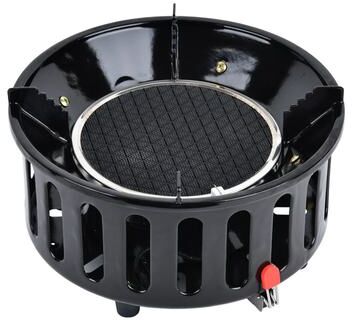
Youfap Market Energy Efficient Camping Butane Stove, Portable Propane Burner For Outdoor Adventures Energy Efficient Camping Butane Stove, Portable Propane Burner For Outdoor AdventuresReady for your next outdoor adventure The Camping Butane Stove is the perfect solution for quick, efficient cooking on the go. Whether you're embarking on a weekend camping trip or enjoying a family picnic, this energysaving stove ensures you can...124,97 $*Shipping: 0,00 $Secure redirect to the provider
-
Porch & Den Inez Energy-efficient Sidelight Curtain Panel, Single PanelKeep your entryway private with this stylish sidelight curtain panel. Constructed from polyester, this panel is energy-efficient and machine-washable for convenient cleaning. Choose from six neutral color options to pair with your decor.27,48 $*Shipping: 0,00 $Secure redirect to the provider
-
All Categories Goods LED Solar Motion Sensor Outdoor Security Wall Lights Waterproof & Energy Efficient LED Solar Motion Sensor Outdoor Security Wall Lights Waterproof & Energy EfficientIlluminate your home with the power of the sun with the 1 pc of 168 LED Solar Motion Sensor Outdoor Security Wall Lights. Designed for homeowners seeking reliable, ecofriendly lighting solutions, these outdoor lights offer superior security and...44,97 $*Shipping: 0,00 $Secure redirect to the provider
-
How does infinite variability work?
Infinite variability refers to the concept that there are an infinite number of possible variations or combinations within a given system or set of elements. This means that there is no limit to the potential diversity or range of outcomes that can arise. In practical terms, this means that within any given system or process, there is an endless array of potential configurations, choices, and results. This concept is important in fields such as biology, genetics, and technology, where the potential for variation and diversity is crucial to understanding and harnessing the complexity of natural and artificial systems. **
-
How do you calculate variability?
Variability can be calculated using measures such as range, variance, and standard deviation. The range is the difference between the highest and lowest values in a dataset. Variance is the average of the squared differences from the mean, while the standard deviation is the square root of the variance. These measures help to quantify the spread or dispersion of data points in a dataset, providing insight into the variability of the data. **
-
What is genetic variability/diversity?
Genetic variability/diversity refers to the differences in genetic makeup among individuals within a population or species. It is essential for the survival and adaptation of a species to changing environments. Genetic diversity allows for the evolution of new traits and adaptations, increasing the chances of a population's survival in the face of environmental challenges and diseases. Maintaining genetic diversity is crucial for the long-term health and sustainability of a population or species. **
-
What is recombination and genetic variability?
Recombination is the process by which genetic material is exchanged between two similar molecules of DNA, resulting in new combinations of genes. This process occurs during meiosis, the cell division that produces gametes (sperm and egg cells). Genetic variability refers to the diversity of genetic material within a population, which is influenced by factors such as recombination, mutations, and gene flow. Recombination plays a key role in generating genetic variability by creating new combinations of genes, which can lead to increased diversity and adaptation within a population. **
Similar search terms for Variability
-
Yeego 60-Can Direct-Cool Beverage Cooler, Energy-Efficient Mini FridgeThe Yeego Beverage Refrigerator brings a refined balance of form and function, offering a sleek, compact design that fits effortlessly into kitchens, home bars, or entertainment spaces.198,72 $*Shipping: 0,00 $Secure redirect to the provider
-
All Categories Goods LED Flat Panel Light Recessed Ceiling Light, Energy Efficient, Bright Lighting Solution LED Flat Panel Light Recessed Ceiling Light, Energy Efficient, Bright Lighting SolutionUpgrade your home or office with these 2 pcs of sleek and energyefficient 48W LED flat panel light. Designed for recessed ceiling installations, this lighting solution offers an ultrabright 7000K daylight output with an impressive 5800LM brightness....229,97 $*Shipping: 0,00 $Secure redirect to the provider
-
Kesnos Energy Star Most Efficient Dehumidifier, 52 Pints for 4,500 Sq. Ft.Kesnos Energy Star Most Efficient 2024 Dehumidifier removes up to 52 pints of moisture per day, covering up to 4,500 sq. ft. With adjustable humidity control (30-80% RH), multiple modes, and energy-saving features. Powerful 4,500 Sq. Ft.210,99 $*Shipping: 0,00 $Secure redirect to the provider
-
Philips 27B2G5601 27" IPS QHD USB-C RJ45 Energy Efficient Docking MonitorPhilips 27B2G5601 27" IPS QHD USB-C RJ45 Energy Efficient Docking Monitor The Philips 27B2G5601 IPS QHD Monitor is your perfect choice for a high-quality, energy-efficient display optimised for professional use and premium entertainment. Offering Quad HD resolution on its impressive 27-inch IPS screen, you're guaranteed vivid, colour-accurate visuals whatever the application. With built-in USB 3.2 and USB-C ports, connectivity is never an issue, ensuring a seamless workflow and clutter-free work331,49 £*Shipping: 0,00 £Secure redirect to the provider
-
What is genetic variability and diversity?
Genetic variability refers to the differences in genetic makeup among individuals within a population or species. It is essential for adaptation and evolution as it allows for a range of traits and characteristics to be present within a population. Genetic diversity, on the other hand, refers to the total number of different genetic characteristics in a population. It is important for the long-term survival of a species as it increases the chances of individuals being able to adapt to changing environments and resist diseases. **
-
What is the genetic variability in cheetahs?
Cheetahs have very low genetic variability compared to other big cats, with estimates suggesting that they have lost around 90% of their genetic diversity. This is due to a population bottleneck that occurred around 10,000 years ago, reducing their numbers to a small population with limited genetic variation. Low genetic variability can make cheetahs more susceptible to diseases and environmental changes, posing a threat to their long-term survival as a species. Conservation efforts are being made to address this issue and increase genetic diversity in cheetah populations. **
-
Does anyone know about the raccoon population and variability?
The raccoon population and variability can vary depending on the region and environmental factors. In general, raccoons are adaptable animals and can thrive in a variety of habitats, from urban areas to forests. Their population can fluctuate based on food availability, disease outbreaks, and human intervention. Researchers and wildlife experts often study raccoon populations to better understand their behavior and impact on ecosystems. If you are interested in specific information about raccoon populations in a certain area, it would be best to consult local wildlife authorities or research institutions. **
-
What is the difference between phenotypic and genetic variability?
Phenotypic variability refers to the observable differences in physical traits or characteristics among individuals within a population, such as height, weight, or eye color. This variability is influenced by both genetic and environmental factors. On the other hand, genetic variability refers to the differences in the genetic makeup or DNA sequences among individuals within a population. This variability is the result of genetic mutations, recombination, and genetic drift. While phenotypic variability is the result of both genetic and environmental factors, genetic variability specifically refers to the differences in the genetic information among individuals. **
* All prices are inclusive of VAT and, if applicable, plus shipping costs. The offer information is based on the details provided by the respective shop and is updated through automated processes. Real-time updates do not occur, so deviations can occur in individual cases. ** Note: Parts of this content were created by AI.